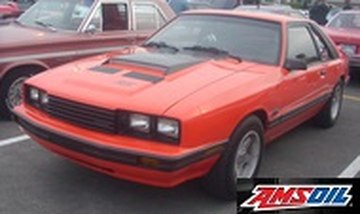
Lubrication Maintenance for the 1982 Mercury CAPRI 2.3L
Maintaining a vehicle from the early 1980s requires a proactive approach to fluid management and mechanical inspection. For the 1982 Mercury CAPRI equipped with the 2.3L engine, consistent attention to lubrication systems is a fundamental aspect of long-term ownership. Because older engines may exhibit different sealing characteristics than modern counterparts, understanding how to monitor and respond to changes in lubricant condition is essential for preserving engine health.
Monitoring Fluid Integrity and Potential Leaks
One of the most effective ways to manage an aging engine is through regular visual inspections of the engine bay and undercarriage. For a vehicle of this era, checking for signs of fluid seepage is a primary maintenance task. Rather than waiting for a significant loss of lubricant, owners should look for small traces of oil around various sealing surfaces and gaskets.
When performing these checks, consider the following:
- Surface Seepage: Inspect the areas where major engine components meet. Even if there is no active dripping, a "wet" or oily appearance on a surface can indicate that a seal is beginning to age and may eventually require attention.
- Undercarriage Inspection: Periodically check the ground where the vehicle is parked. Small, localized spots can serve as early indicators of a slow leak that might not be immediately obvious from inside the engine compartment.
- Fluid Color and Consistency: If you are able to safely check the lubricant level using the dipstick, take note of its appearance. While oil naturally darkens over time due to use, extremely thick or gritty textures can warrant further investigation into the vehicle's service history.
It is important to remember that many symptoms, such as a small puddle or an oily residue, can have multiple causes. A visual inspection provides a starting point for diagnosis but should be paired with careful observation of how the vehicle performs during operation.
Managing Engine Lubricant and Component Health
The engine oil in a 2.3L application serves several vital roles, including reducing friction between moving parts and assisting in heat management within the engine block. As engines age, the chemical properties of the lubricant become even more critical for maintaining internal cleanliness and protecting against the buildup of deposits.
If you notice any changes in how the vehicle operates—such as unusual mechanical noises or a change in exhaust characteristics—these should be investigated promptly. For instance, an unusual odor might indicate that oil is contacting a hot external component, which could be related to a seal or gasket issue. Similarly, if you observe any unexpected smoke from the exhaust, it may indicate that the engine is consuming lubricant at an unusual rate. Because these symptoms can stem from various mechanical sources, they should be treated as prompts for a professional inspection rather than definitive proof of a specific part failure.
Regularly checking the condition of other related components can also provide context for your lubrication maintenance. If equipped, inspecting accessible drive belts for signs of cracking, glazing, or fraying is a wise preventive measure. Similarly, if the vehicle is equipped with various hoses, checking them for softness, swelling, or leaks ensures that the overall environment around the engine remains stable.
Establishing a Maintenance Baseline
For many owners of a 1982 Mercury CAPRI, the first step in effective maintenance is establishing a baseline. If the previous service history of the vehicle is unknown, your initial goal should be to document the current state of all vital fluids and mechanical components.
Creating a detailed record of when you perform oil changes, filter replacements, and other services allows you to identify patterns over time. For example, if you notice that the engine requires more frequent top-offs than it did six months ago, you have a documented trend that can help a technician diagnose a developing issue. This data-driven approach is much more effective than relying on guesswork or assumptions about how an older vehicle "should" behave.
When reviewing maintenance records, look for evidence of consistent care. If the history is incomplete, do not be discouraged; instead, use your current inspections to build a new, reliable history moving forward. Prioritizing tasks based on the actual condition of the vehicle—rather than just its age—ensures that you are addressing active needs while still performing necessary preventive maintenance.
Prioritizing Service Tasks as the Vehicle Ages
As a vehicle moves through its decades of service, maintenance priorities often shift from purely scheduled tasks to condition-based monitoring. For the 1982 Mercury CAPRI, this means distinguishing between parts that are simply old and parts that are actually showing signs of wear.
Effective prioritization involves several steps:
- Address Active Issues First: If you identify an active leak or a significant change in fluid color, these should take precedence over routine cosmetic or non-essential maintenance.
- Monitor Consumption: Keep a close eye on how much lubricant is consumed between service intervals. A steady, predictable consumption rate is often easier to manage than sudden changes.
- Inspect Aging Materials: Components made of rubber or specialized polymers, such as certain seals and hoses, can change in flexibility over time. Inspecting these based on their physical condition—looking for cracks or brittleness—is more accurate than replacing them solely because the vehicle is over forty years old.
By focusing on the actual state of the 2.3L engine and its supporting systems, you can make informed decisions about where to allocate your time and resources, ensuring the vehicle remains reliable for continued use.
Practical Considerations for Ignition and Electrical Systems
While lubrication is a primary focus, the overall health of the engine is also tied to the efficiency of the ignition and electrical systems. If applicable, inspecting age-sensitive ignition components and electrical connections can prevent issues that might otherwise mimic lubrication problems. For example, an inconsistent spark or a faulty electrical connection could lead to incomplete combustion, which in turn can affect how the engine oil behaves due to increased exposure to combustion byproducts.
Regularly checking that electrical connectors are clean and free of corrosion is a simple but effective way to maintain system integrity. Ensuring that all wiring is secure and not showing signs of heat damage or insulation degradation helps maintain a stable operating environment for the entire engine assembly.
Buying Engine Oil for your 1982 Mercury CAPRI 2.3L
When it is time to replenish your lubricant, the most important step is to ensure that the product you select matches the specific requirements of your application. To ensure proper protection and performance, match the engine oil to the application-specific viscosity information already displayed on this page.
As you shop for products, keep these practical tips in mind:
- Verify Product Labels: Always check the physical container to confirm that the SAE viscosity and API service classifications align with the information provided in your vehicle's documentation.
- Consider Formulation Options: Depending on your specific needs, you may choose between conventional oils, synthetic blends, or full synthetic formulations. Some high-mileage oil formulations contain additives intended for use in aging engines, including seal-conditioning additives that may be beneficial for older seals.
- Check Certification: Ensure the oil carries the appropriate modern API certification to guarantee it meets current standards for detergent and anti-wear properties.
By following the application-specific guidance provided on this webpage, you can select a lubricant that is appropriate for your 1982 Mercury CAPRI 2.3L, supporting its continued operation and helping to manage the unique needs of an older engine.